

1. Introduction
In modern agriculture, precise process control is the difference between loss and profit. A clear example is the automation of the grain dryer, a solution that ensures efficiency, safety, and consistency during the drying process. While manual drying can lead to human error and variation, automation provides full control over temperature, time, and moisture levels.
But what exactly does automating a dryer involve, and what are the real benefits in daily silo operation?
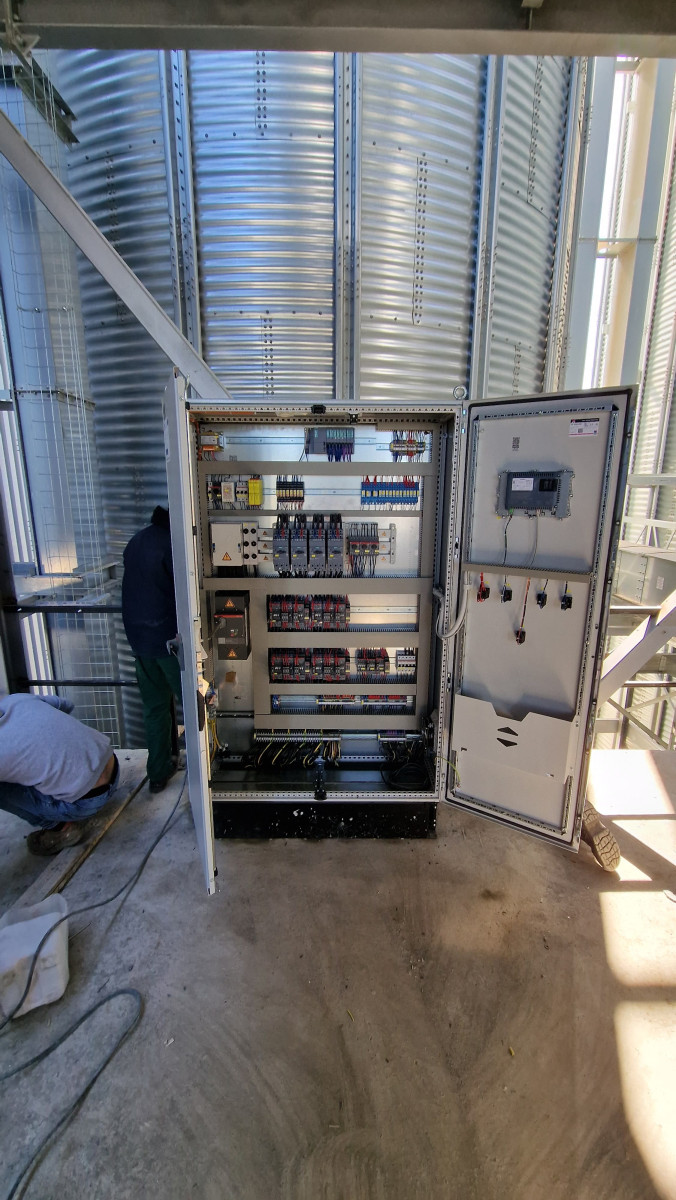
Silo automation
2. What does grain dryer automation involve?
Automation means equipping the dryer with:
- real-time temperature and humidity sensors,
- an electronic control panel (or software interface),
- automatic regulation systems for airflow and temperature,
- alerts and emergency shutdown systems.
The system can operate independently or be integrated into the general automation system of the grain silo, communicating with intake, transport, and storage units.
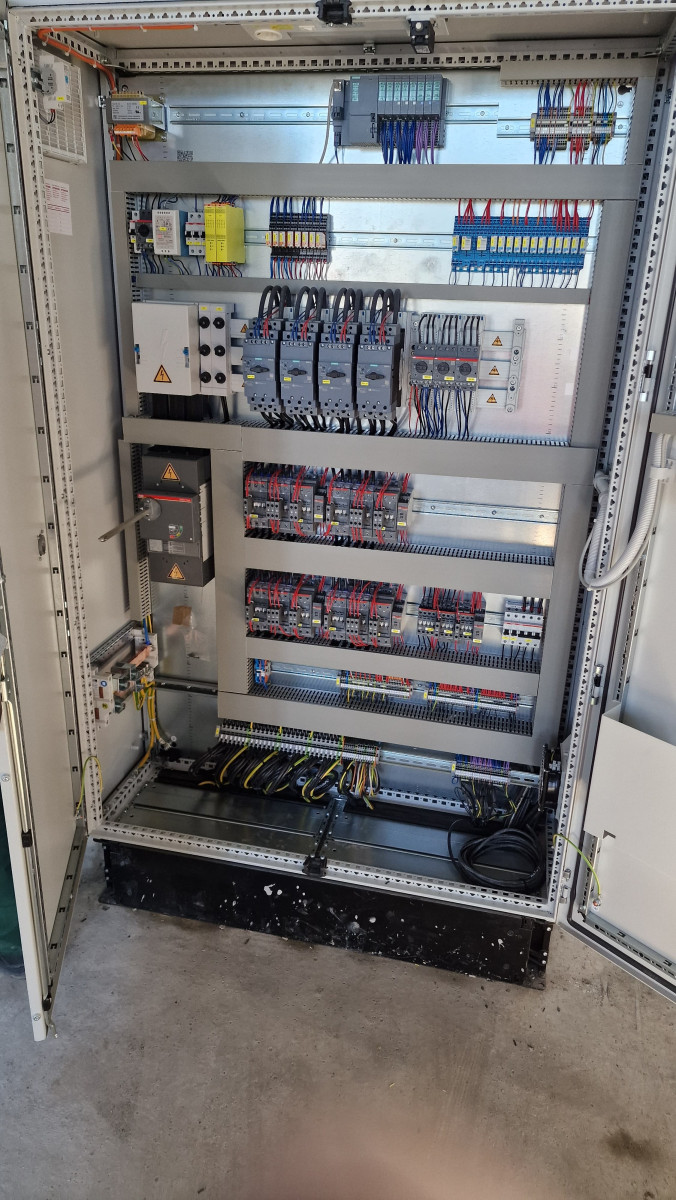
Silo automation
3. Advantages of automation
- Energy efficiency: reduced fuel consumption through real-time parameter optimization.
- Higher safety: eliminates risks like overheating or burning the grain.
- Consistent quality: drying occurs evenly and under controlled conditions, regardless of the operator.
- Reduced manual intervention: staff only monitors the process, with minimal involvement.
- Traceability and reporting: modern systems log operating data and generate useful reports.
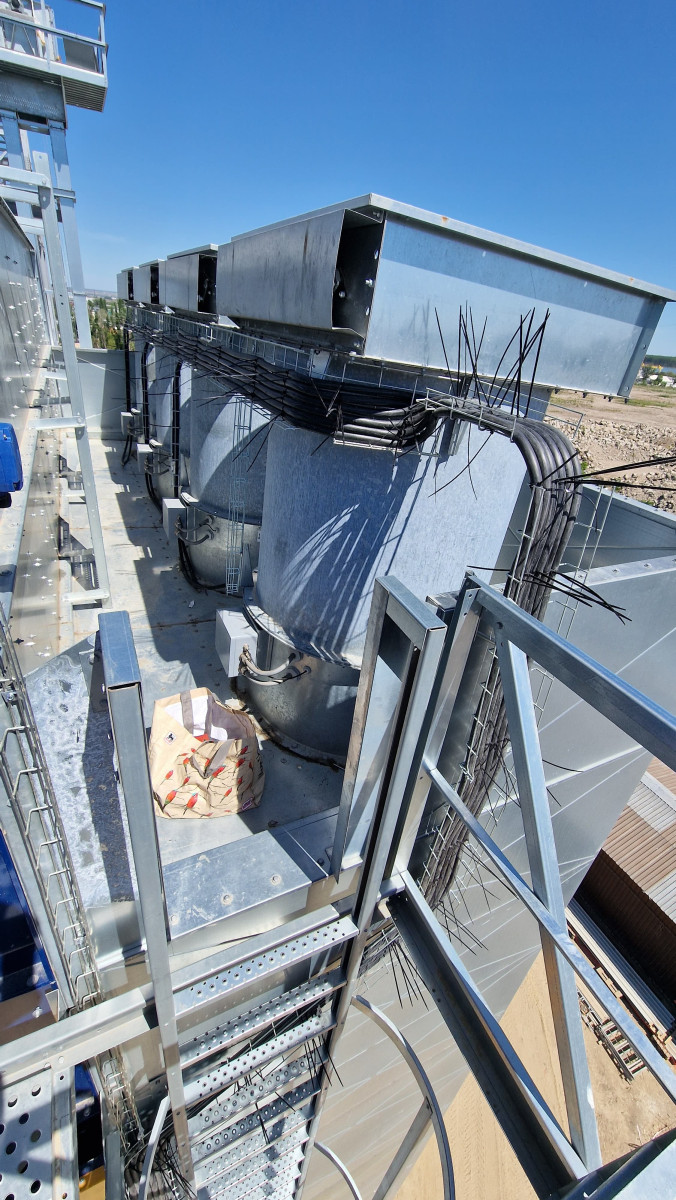
Silo automation
4. New automation or retrofit?
If you already have a functioning grain dryer, automation can be added through retrofit – adding modern control components to the existing setup. This means lower costs than buying a new dryer, with similar long-term benefits.
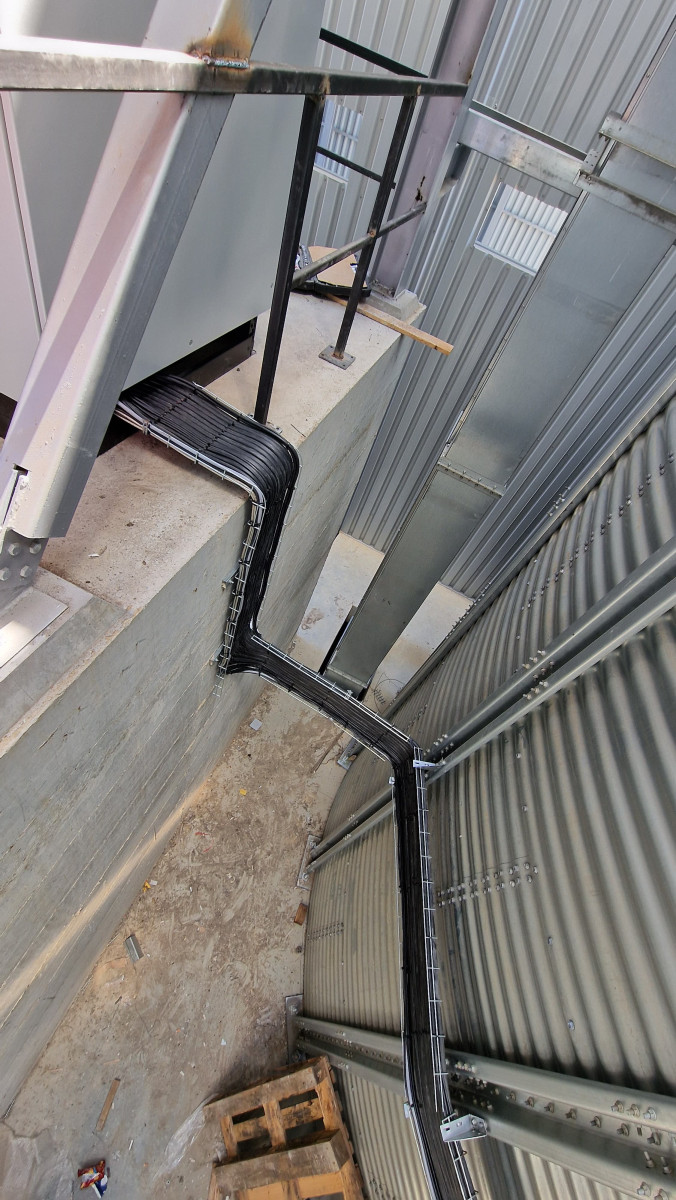
Silo automation
5. Conclusion
Automating your grain dryer is not a luxury, but a strategic investment for any grain silo operator who wants to reduce losses, save time, and increase profitability. In a competitive agricultural environment, precise control gives you an edge.
Want to know if your grain dryer can be automated? Contact us for a personalized technical evaluation.
No comments